“Everyone adored him.” Remembering legendary publisher Peter Mayer, a free-speech hero.

May 15th, 2018

Share

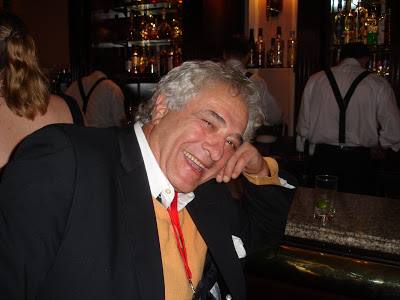
A charismatic enfant terrible: “As gracious as he was wise.”

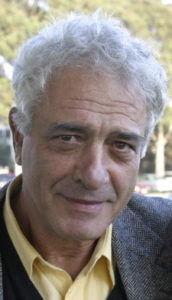
Publisher Peter Mayer has died at 82. “Everyone adored him,” a friend wrote to me.

I interviewed him briefly, by phone in 2002, for an article in the Times Literary Supplement (republished by  The Los Angeles Times Book Review), at the time Ardis Publishers was acquired by Overlook Press, the independent publisher that he founded with his father, Alfred Mayer, and ran for nearly fifty years. He was a charming and intelligent interviewee, but I didn’t know then he was a legend.

From Publishers Weekly: “Once one of the most charismatic publishers, known for his penchant for smoking wherever he was, Mayer had suffered a number of injuries and illnesses in recent years.

“Born in London and raised in New York, Mayer began his publishing career as an editorial assistant at Orion Press in 1961, then quickly moved to Avon Books, where, over the course of 14 years, he rose to the position of publisher. After serving as publisher of Pocket Books from 1976 to 1978, Pearson chose Mayer to run its troubled Penguin Books division. When he left in 1996, the company had become one of the world’s largest, and most profitable, publishers.”

Praising a life “at full tilt”

Steve Wasserman now heads Berkeley’s Heyday Books, but back in 2002, he was my editor at The Los Angeles Times Book Review. He also knew the publisher well. Apparently everybody did. “Peter Mayer lived at full tilt,” he wrote. “I adored him. As generous with his smokes as he was with his advice, he always had time for me, was always encouraging, and was a deep well of marvelous stories. He was a bridge spanning the past and my own present. And somehow he was one of the most handsome men even into old age I ever met. As gracious as he was wise.”

Andy Ross, now a literary agent but then proprietor of Cody Books in Berkeley, has a special reason to remember Mayer. “I’m thinking good thoughts for Peter and his family,” he told me. “When I first became a bookseller in the 1970s, Peter was considered the enfant terrible of book publishing. It was a pretty stodgy business back then. Peter broke the mold when he became head of Pocket Books. He was young. He wore jeans. He was brilliant and charismatic. Every woman I knew had a crush on him.”
It survived the fatwa. (CreativeCommons)

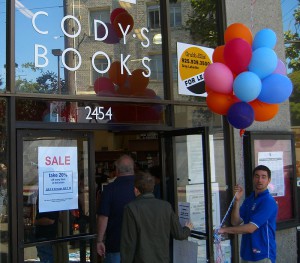
When, in 1989, Iran’s Ayatollah Khomeini put a fatwa on author Salman Rushdie‘s head for his book, Satanic Verses, Peter Mayer’s heroism – and Andy’s – came to the fore.  Andy’s bookstore Cody’s, which refused to drop the book, was bombed in the middle of the night, two weeks after the fatwa was announced – I wrote about that here.

“Peter was the head of Viking Books, Rushdie’s publisher. At the time of the bombing, Satanic Verses had sold out and there were almost no stores that had copies left. Peter called me to express his support for us and told me the new printing was coming out the following Monday. He was going to air freight our copies so that we would be the first and only store in America with the book. Oy vey!”

Unlamented.

One of the women who had a crush, and admits it, is book editor and media journalista Maureen O’Brien. “They don’t make publishers like that no more. He was the coolest,” she said. “Peter Mayer. I always had a big crush on him. From NYC cab driver to the head of Viking/Penguin Books Worldwide, he pretty much invented the publishing of trade paperbacks and kept Salman Rushdie safe and mostly sound during his time in hiding after the release of his controversial novel, The Satanic Verses.

“I will always remember covering the American Booksellers Association in Washington, D.C. and interviewing Peter at the Penguin exhibit while bomb-sniffing German Shepherds roamed the aisles of the convention center in search of Islamic terrorists. To me, he was the best kind of great.”
Missed.

From The New York Times obituary:

“I was advised by many to live like a hunted man,” he said in an oral history for the online collection Web of Stories, “and to change my address, change my car, move into a hotel.”

The controversy put not only him in jeopardy but also anyone else who worked for Penguin, but Mr. Mayer said the principles involved were important.

“Once you say I won’t publish a book because someone doesn’t like it or someone threatens you, you’re finished,” he said. “Some other group will do the same thing, or the same group will do it more.”

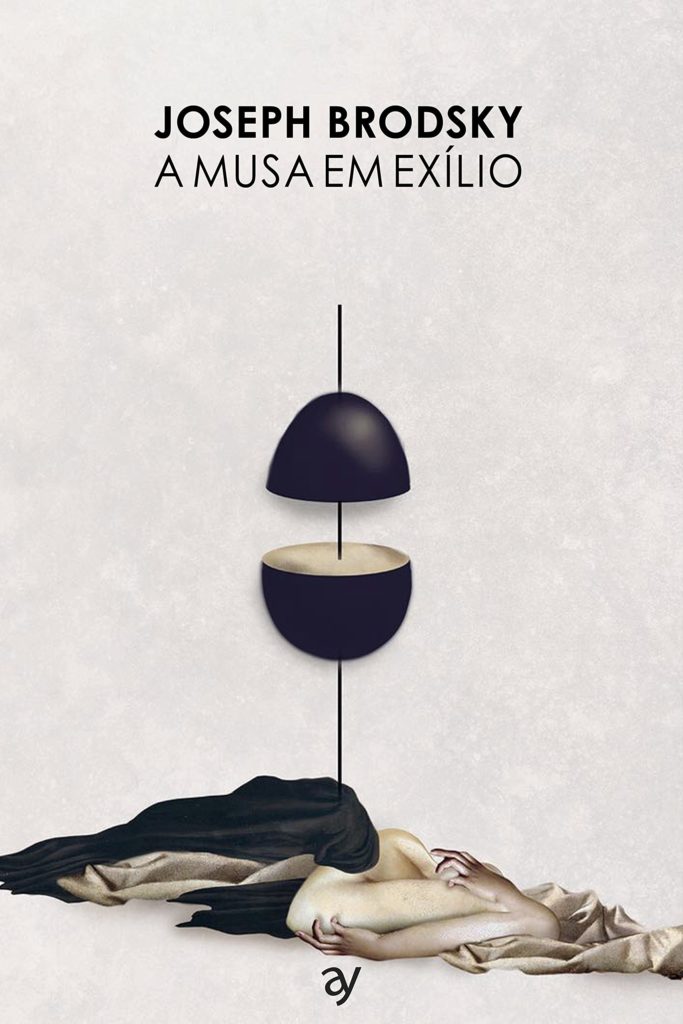
My “Joseph Brodsky: Conversations” – now in Portuguese!

May 13th, 2018
Share

The Brazilian edition of my Joseph Brodsky: Conversations has just been published by the tony new house Editora Âyiné, and I couldn’t be more pleased.

That’s the third language for the collection of interviews. It made its Italian debut with Milano’s first-rate Adelphi in 2015 (we wrote about that here), and of course the English language edition with the cover photo by Richard Avedon was published a dozen years ago.

Do you speak Portuguese? Now’s your chance. Order your copy on Brazil’s amazon site here. From the website:

Como nasce a poesia? De qual misterioso labor é êxito? Qual é sua tarefa? Quem se colocou, ao menos uma vez, uma dessas perguntas poderá enfim encontrar nestas entrevistas – que cobrem a vida de Brodsky no exílio, desde o início da década de 1970 até poucas semanas antes de sua morte súbita em New York em 1996 – respostas de uma clareza audaz. Descobrirá que a poesia é «um acelerador incrível do processo cognitivo», «nosso objetivo antropológico, nosso objetivo genético», e que não há melhor instrumento para «mostrar às pessoas a verdadeira versão da escala das coisas». Descobrirá também que o que sempre considerou artifícios técnicos inescrutáveis – esquemas métricos, por exemplo – são, na verdade, «padrões mágicos», «ímãs espirituais», capazes de afetar profundamente a poesia, fazendo com que um conteúdo moderno expresso segundo uma forma fixa (um soneto, por assim dizer) possa assustar tanto quanto «um carro indo pela pista errada numa rodovia». Brodsky sabia iluminar o trabalho dos poetas que amava – Auden, Frost, Kavafis, Mandelstam, Akhmátova, Tsvetáeva, Miłosz, Herbert, para limitarmo-nos a seus contemporâneos – com uma lucidez sempre acompanhada de uma vibrante participação: «Eu dificilmente extraio tanta alegria da leitura como quando estou lendo Auden. É uma verdadeira alegria, e, com alegria, não quero dizer simplesmente prazer, pois a alegria é algo muito sombrio em si mesmo». Essas conversações servirão também como um guia à melhor poesia: esse «esforço estético» capaz de frear «nossa bestialidade».
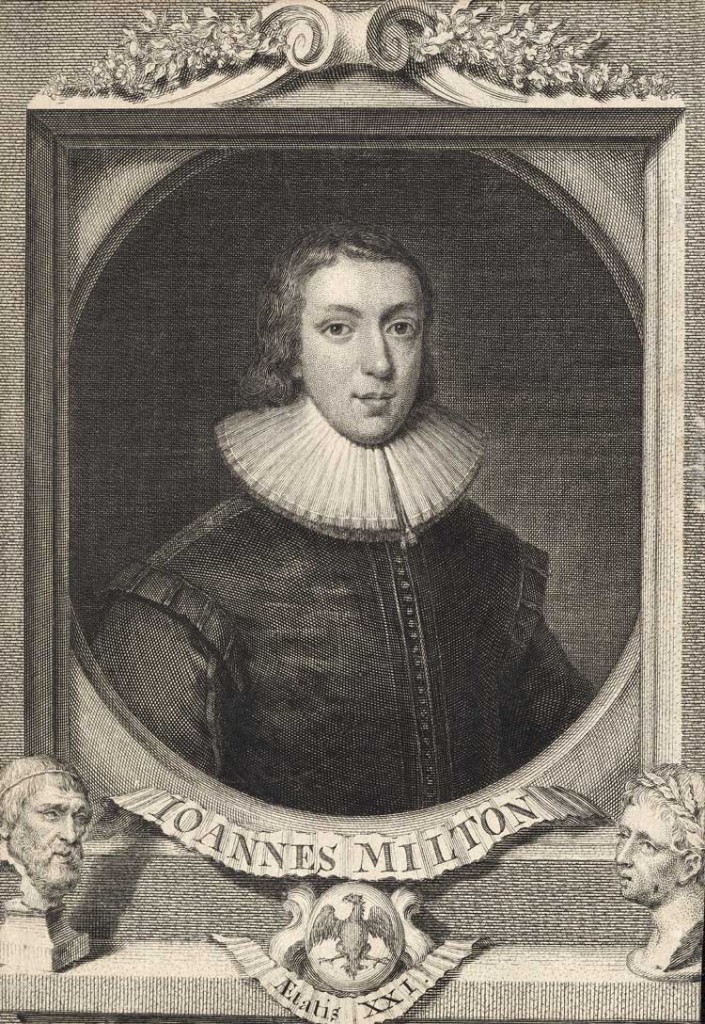
Reading “Paradise Lost” in the fall of 1968: a poem on liberty and loss, and the sexual revolution, too

May 11th, 2018
Share

Ta-daaaa!

I knew it, I knew it. A John Milton revival is on the way. I could smell it in the air. I wrote about it here – but here’s another indication: Robert Crossley‘s “My Ever New Delight: The Pleasures of Paradise Lost” in the current issue of The Hudson Review. 

“Paradise Lost is a feat of delicate engineering,” Crossley explains, “to leave parts out is to risk the whole thing collapsing.” He has taught it for years, and insists “the students in my epic poetry course mastered the distinctive Miltonic rhythm of lines suspended over vast spaces, the rhetorical energy of the speeches, the thundering polysyllables colliding with brisk bursts of vernacular, the enjambments and the inversions and the heaping of adjectives that make Paradise Lost a tour de force for the human voice.”

But his interest began with Prof. Mary Ann Radzinowicz of the University of Virginia, who introduced the masterpiece only after the students had read the prose treatises, many written during the poet’s stint as chief propagandist for Oliver Cromwell’s revolutionary government…

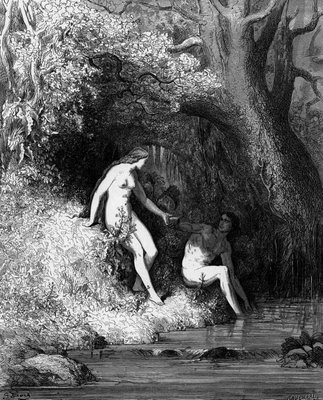
With this understanding of Milton’s utopian commitments and his experience as a failed revolutionary, I was ready to read Paradise Lost as a poem less about theological doctrines than about liberty and loss, a poem with an intensely personal dimension. Even Milton’s anxious publisher required him to attach to the second edition of Paradise Lost as an explanation for why the poem didn’t rhyme exhibited the still smoldering fires of the old revolutionary resisting authority. … From that note a reader plunges (quite literally) into the dizzying account of a fall from the heights of heaven to the bottom of the universe. The leader of the rebel angels has been

John Milton knew a little about falls himself…

Hurl’d headlong flaming from th’ Ethereal Sky
With hideous ruin and combustion down
To bottomless perdition, there to dwell
In Adamantine Chains and penal Fire.

It will be nine days before Satan can so much as lift his head from the lake of fire and begin to undertake his campaign of ven­geance against the Almighty.

One of the great mysteries of Paradise Lost—how could Milton write with apparent sympathy for the devil?—was about to be dissolved for me. It wasn’t that he thought Satan a hero (as some of the Romantic poets, Blake and Shelley in particular, liked to believe). Milton’s judgments about Satan are clear and unequivocal. But psychologically Milton had been there: he knew what it meant to rebel against an absolute monarch and to lose. Empa­thy isn’t the same as sympathy. Milton could put himself into the mind and the circumstances of the fallen angel, understanding a rebel’s seething hatred, despair, and fixed determination “never to submit or yield,” while also peeling back the layers of delusion, self-aggrandizement, and fabrication in Satan’s accounting of himself. Here were radicalism and fraudulence, freedom and its counterfeit fused in a single personality not easily pigeonholed.

Act I, equality. Act II …?

As I began reading Paradise Lost in the fall of 1968, Mary Ann Radzinowicz would occasionally punctuate her lectures with brief asides about speeches and confrontations at the Democratic National Convention that had just concluded in August and on the national debates about policy and strategy in Vietnam. My marginal annotations to my old graduate school text of Milton tell part of the story. Much of Book II of the poem is devoted to a council on foreign policy in hell. Next to the hopeful but hollow speech of Belial, whose “Tongue / Dropt Manna” during the debate over the devils’ strategic attitude toward God in the aftermath of their downfall, I’ve penciled in “Hubert Humphrey rhetoric.” When Satan announces his expedition to Earth to avenge his defeat by destroying the Creator’s new human beings, his Seraphim celebrate “with pomp Supreme” their newly installed “dread Emperor.” My pencil note, reflecting the polit­ical conventions of the previous summer, reads: “A ‘spontaneous demonstration’ for the new standard bearer of the party of hell.” I hasten to say that Radzinowicz didn’t try to score cheap points or to turn Paradise Lost into a crowd-pleasing guidebook to American politics. Her notations to contemporary events were small change in the larger transactions of reading. She never lost sight of the epic poem we were traversing, but she made the politics and psychology of the epic as vital to us in 1968 as it had been for Milton’s first readers in 1668. For me, all the doors were flung wide open.

There’s more: How Raphael tries to teach Adam to be a misogynist. And the sex life of angels, too. Read it all here.

Praise for “Evolution of Desire”: “this is an ambitious and thought-provoking life portrait.”

May 9th, 2018
Share

Stanford Magazine has spoken on Evolution of Desire: A Life of René Girard, and pronounced it good: “While the relationship between biographer and subject can be risky — producing hagiography at one extreme, disparagement at the other — Haven balances her frank admiration with critical commentary … this is an ambitious and thought-provoking life portrait.”

Let us return a few words of praise for writer Ginny McCormick’s own prose: One reader said it is “attentive and careful” – and beyond that, as another observed, “remarkably lovely.”

I won’t recap her summary of René Girard‘s theories in the article, “Truth and Testament” (you can read the whole piece here), but instead excerpt some passages that will recount less familiar episodes of the French thinker’s life:

Girard by all accounts cared little about his reputation and relished argument. He tells Haven, “Theories are expendable. They should be criticized. When people tell me my work is too systematic, I say, ‘I make it as systematic as possible for you to be able to prove it wrong.’” Inducted into the celestial Académie française as one of its immortels in 2005, Girard certainly commanded the attention of European intelligentsia, if not universal accord.

***

Picasso in ’53

Beyond Girard’s theories, Haven scrutinizes aspects of his life that arguably foretold his work. She finds mimetic elements in the ancient history of his hometown, Avignon, seat of papal rivalry 500 years ago. (Girard’s father was an archivist who became the curator of the city’s Palais des Papes.) Girard’s interest in scapegoating echoes his own family history. A female forbear was a victim in the Reign of Terror. Members of his extended family, whose social position caused envy among fellow citizens, were accused of collaboration under the Vichy regime in World War II.

Moreau in ’58

Anecdotes about Girard’s youth in Avignon and student days in Paris during and after the war afford a lighter view. As an adolescent, the contrarian theorist was a prankster who disliked school; at times home study was the solution. A little-known venture was his role in the founding of Avignon’s arts festival in 1947. He and a friend did much of the legwork, coordinating with Picasso, Marc Chagall, Paul Klee, Georges Braque, Max Ernst, Wassily Kandinsky and others. One gasps at the informality: two twentysomethings transporting by the small truckload a dozen Picassos and the other pieces from Paris studios to Avignon. Girard recalls “mishandling” one of Henri Matisse’s Blouses Roumaines and then quickly repairing the small hole inflicted on itHe fondly recounts hobnobbing with visiting festival actors, including a young Jeanne Moreau.

Read the whole thing here.

Did the earth shake? Another Look totally rocked Philip Larkin’s 1947 novel, “A Girl in Winter.”

May 8th, 2018
Share

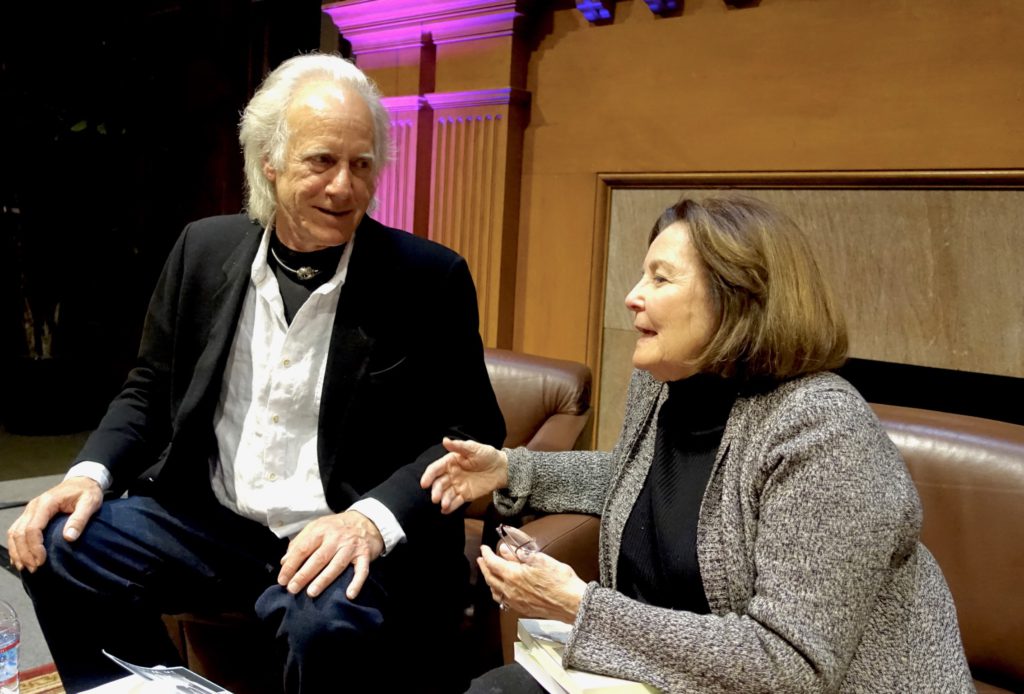
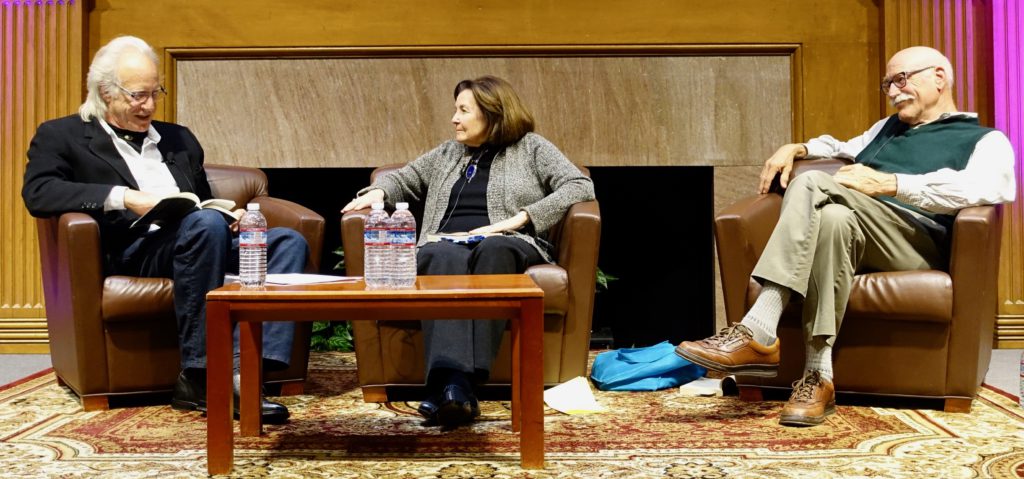
Liddie Conquest discusses Philip Larkin with Robert Harrison. (All photos by David Schwartz)

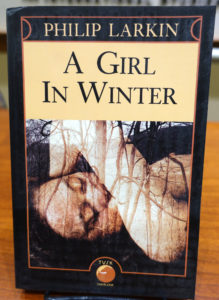
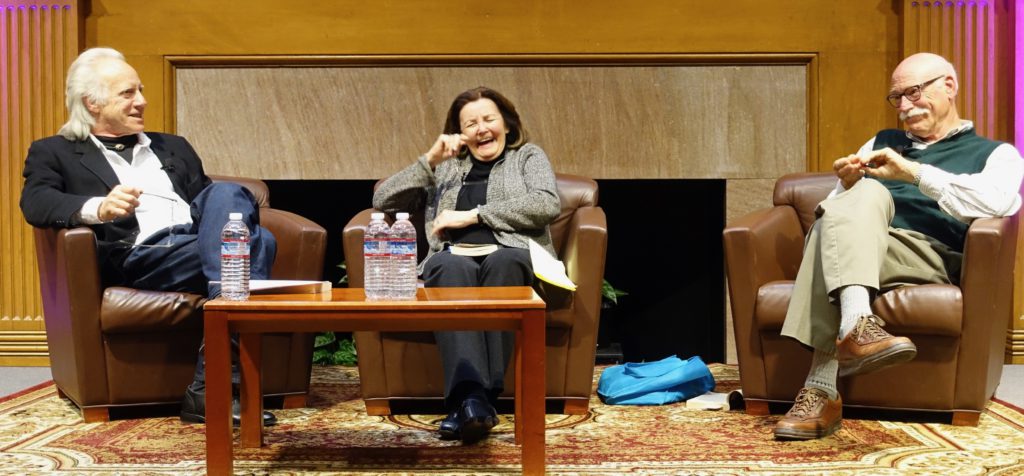
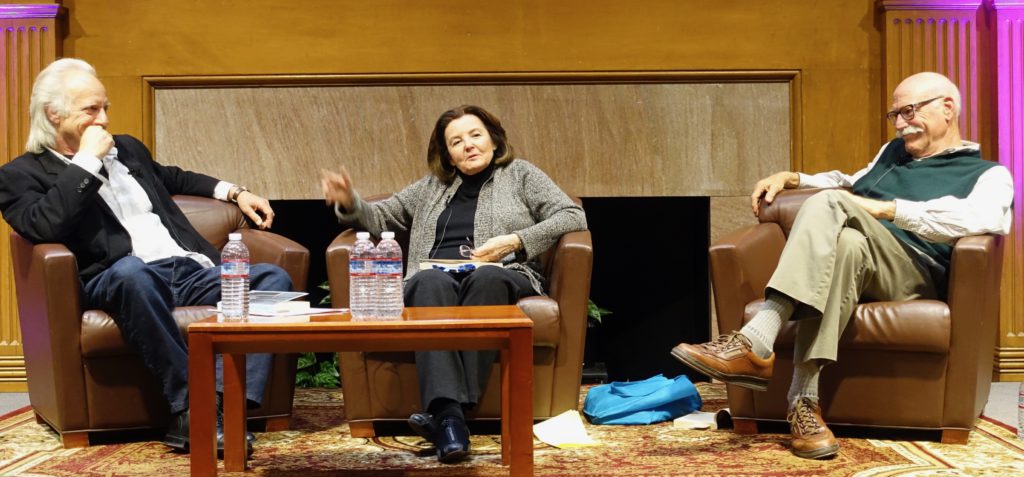
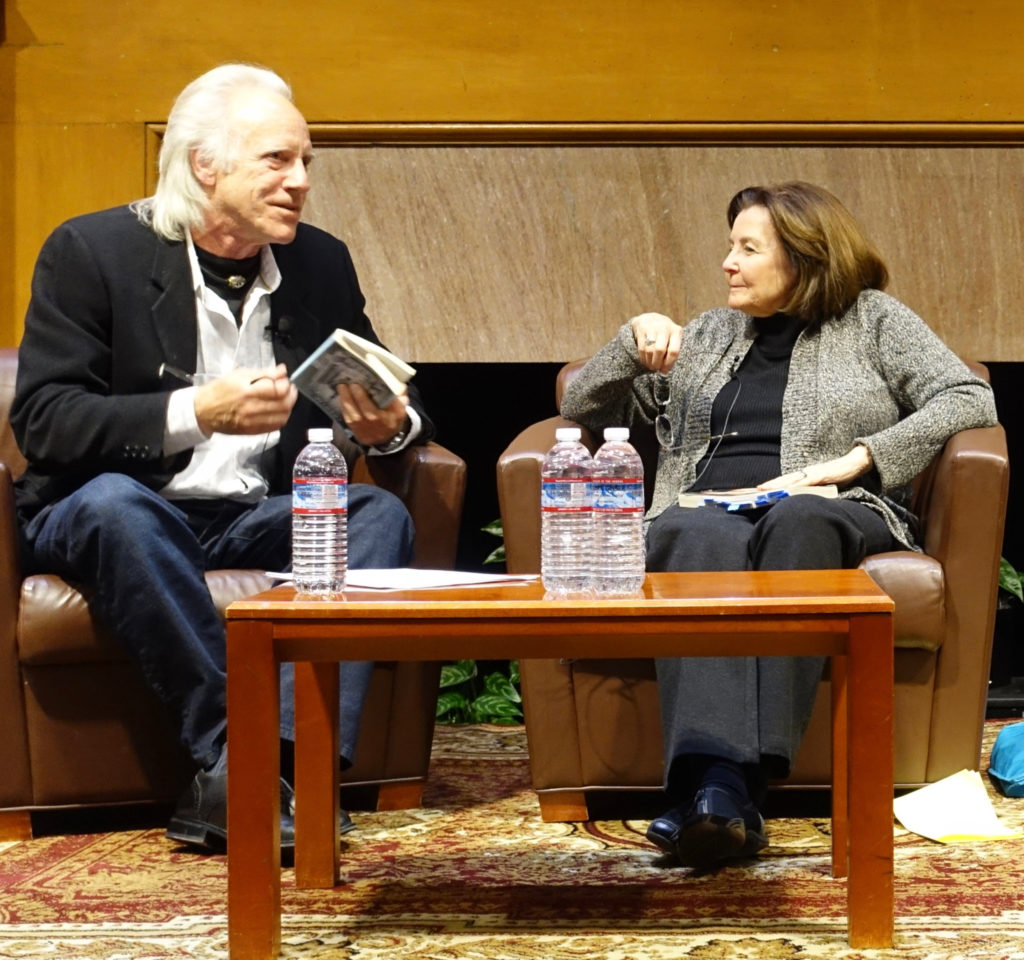
Monday, April 30, marked a notable event in the literary world: perhaps the first-ever discussion of poet Philip Larkin‘s 1947 novel, A Girl in Winter at a top-ranking university. If the event does have a precedent, it’s unlikely to have matched the high-caliber expertise assembled at the Bechtel Conference Center that night. Another Look Director Robert Pogue Harrison moderated the discussion. The Stanford professor also hosts the popular talk show, Entitled Opinions, and contributes regularly to the New York Review of Books. He was joined by renowned author and National Medal of Arts winner Tobias Wolff, professor emeritus of English at Stanford.

Literary scholar Elizabeth Conquest, universally known as “Liddie,” completed the trio of panelists. She knew Philip Larkin personally—he was a close friend of her late husband, historian and poet Robert Conquest—and has written about Larkin’s poetry.

Robert Harrison introduces the book.

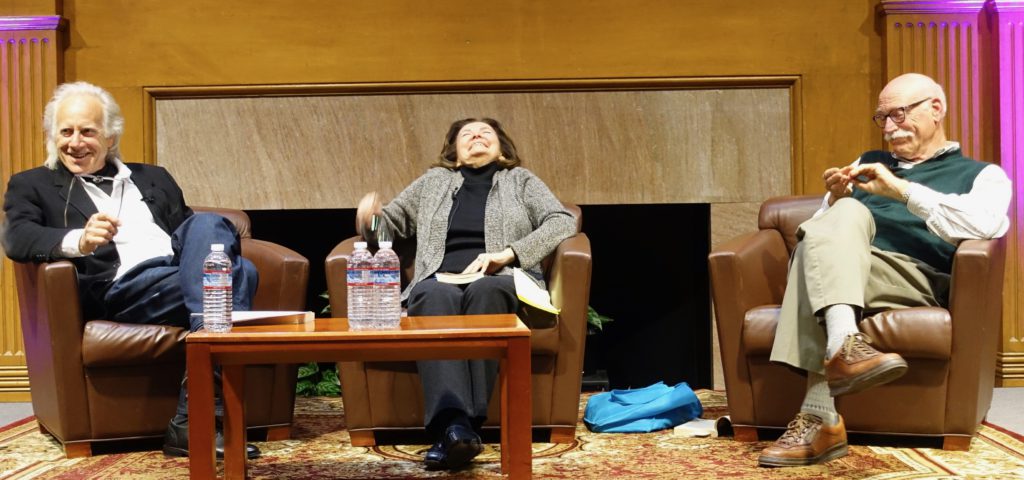
Some said it was our best event ever – one compared it to a delightful dance for three, to a “delicious effect.” Another said simply that they wished we had four events a year, rather than three.

Robert’s introduction of Larkin’s forgotten early novel riffed on the opening lines of the overlooked classic, originally titled The Kingdom of Winter: “There had been no more snow during the night, but because the frost continued so that the drifts lay where they had fallen, people told each other that there was more to come. And when it grew lighter, it seemed that they were right, for there was no sun, only one vast shell of cloud over the fields and woods…”

The little-known novel takes place in wartime England, where a young refugee from Europe named Katherine Lind tries to recover her life while working in a provincial library. Meanwhile, she recalls a memorable summer with the Fennel family in England before the war, and a near-romance with the son Robin.

The book was the second in a trilogy, and the third was never completed. Larkin turned to poetry instead. Was the early, forgotten book a masterpiece? Toby’s conclusion at the end of the evening was decisive and emphatic. Yes, he said.

The sparks were lively and the balance of personalities was effective and harmonious. Toby’s background as a soldier was helpful in explaining Robin’s emotional state at the end of the book, and he also shared some chilling details of the destruction of Larkin’s hometown, Coventry. Liddie reflected on Larkin’s life and poetry – and she also shared a passage he wrote in a 1977 letter to her husband. The three discussed in detail the signficance of the noisy tick-tock of Katherine’s watch. But I won’t spoil it for you by quoting the end of the book, only part of the penultimate paragraph instead:
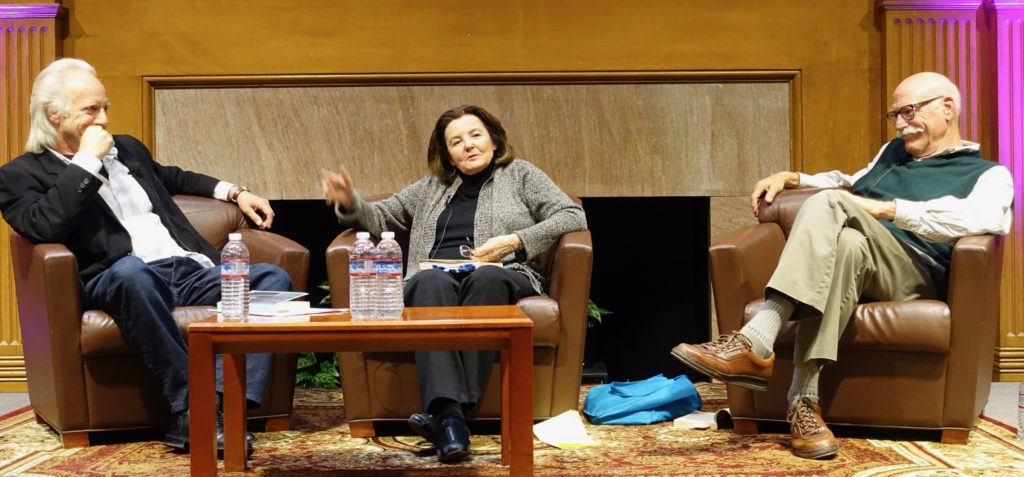
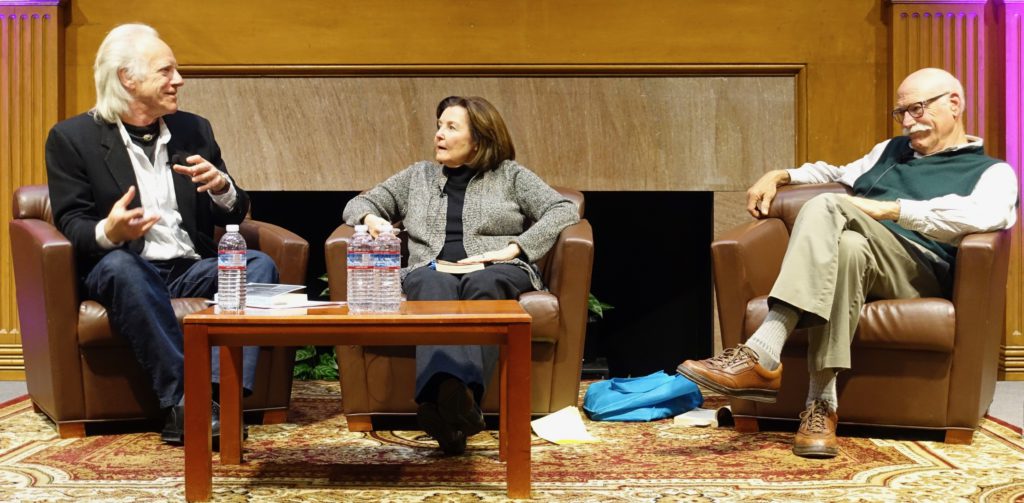
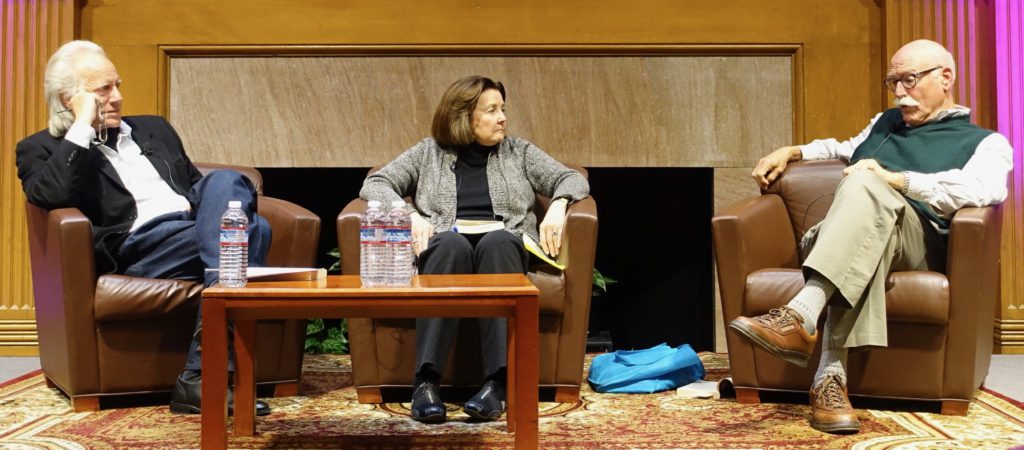
“There was the snow, and her watch ticking. So many snowflakes, so many seconds. As time passed they seemed to mingle in their minds, heaping up into a vast shape that might be a burial mound, or the cliff of an iceberg whose summit is out of sight. Into its shadow dreams crowded, full of conceptions and stirrings of cold, as if icefloes were moving down a lightless channel of water…”

From Robert’s opening remarks, to the lively and insightful audience questions and responses – it was a remarkable and memorable evening. David Schwartz outdid himself capturing the evening in photos. Did our panelists have fun? See the photos from the panel below.

Michael Hoffman: “I have mostly ended up translating dead people. They are more appreciative.”

May 6th, 2018
Share

Danke, Herr Hamburger.

My work involves reading poets, essayists, novelists from all over the world, so every day I have occasion to consider how very much I owe to translators – for example, Michael Hamburger‘s translations of Friedrich Hölderlin. I know, I know … Hölderlin is impossible to translate, but the only alternative to reading translations is to give oneself over to learning every European language, and a few Asian ones, or else slide into a sort of literary parochialism.

I haven’t worked with enough German to run across Michael Hoffman, “arguably the world’s most influential translator of German into English, who can single-handedly revive an author’s reputation, as he did with Hans Fallada.” That’s according to Philip Oltermann, writing an article some time ago in The Guardian. The provocative title “English is basically a trap. It’s almost a language for spies.”

Hoffman’s reviews have a reputation for savagery, but he sees it as a form of pruning: “I have a sense of the enterprise being ecological,” he says. “There is so much excessive praise and excessive interest in the books world, and it’s all too focused on too few people. If you cut things down to scale, you do something good.”

A few excerpts:

A reputation for savagery: but “all shy eyes and nervous hands.”

… one of the 58-year-old’s trademark masterclasses in literary evisceration: a forensic demolition job on Richard Flanagan’s The Narrow Road to the Deep North in the London Review of Books, in which Hofmann had described the 2014 Man Booker winner as “ingratiating”, “gassy” and “lacking the basic dignity of prose”.

It wasn’t Hofmann’s first dismantling, and not even the most vicious. In another LRB review, he had written after reading Martin Amis’s latest, elsewhere feted as a glorious return to form: “I read The Zone of Interest straight through twice from beginning to end and it feels like I’ve read nothing at all.”

His most eminent literary compatriot, Nobel-winner Günter Grass, came under the guillotine in 2007 in this publication: Grass’s confessional memoir Peeling the Onion, he wrote, contained “two pages of failed writing that should be put in a textbook, and quarried for their multiple instances of bad faith”.

Like a Soho drunk stumbling into the National Portrait Gallery in search of a good scrap, Hofmann has battered posthumous reputations with the same glee as those of the living. “Stefan Zweig just tastes fake,” he wrote in another review, dismissing the widely revered Viennese man of letters as the “Pepsi of Austrian writing”.

The real Hofmann doesn’t quite fit with the cartoonish picture of a lit-crit Johnny Fartpants. As he sits in an incongruously rowdy Hamburg bar, all shy eyes and nervous hands, one is reminded that he is also a poet and translator: a humble servant of words, not just their sneering judge.

***

Translators need “an active sense of mischief”

One of his guiding principles for translating, he says, is to avoid the obvious word, even if it is the literal equivalent of the original. When the opening page of a [Joseph] Roth novel contained the word Baracke, he insisted on going with “tenement” rather than “barracks”. In the second paragraph of Hofmann’s version of Metamorphosis, Gregor Samsa doesn’t ask “What happened to me?” (Was ist mit mir geschehen?), but “What’s the matter with me?”. He liked the phrase, he says, because it sounds like someone having trouble getting up after a heavy night.

“Nobody will notice, but you have taken a step back from the original. You have given yourself a little bit of self-esteem, a little bit of originality, a little bit of boldness. Then the whole thing will appear automotive: look, it’s running on English rather than limping after the German.”

Without an active sense of mischief, he says, translators can easily become bitter people. “Nobody sees what you are doing, and the minute you do something, people cry ‘Mistake, mistake!’. If done in that way, it feels almost parasitic upon literature. You can begin to understand fussy authors such as Kundera, who minimise the space of translators. That’s partly why I have mostly ended up translating dead people. They are more appreciative.”

Read the whole thing here.


<<< Previous Series of PostssepNext Series of Posts >>>